
Joint replacement surgery is often seen as the final step in managing advanced osteoarthritis. For many patients, it brings meaningful relief. For others, pain continues, sometimes in ways they did not expect.
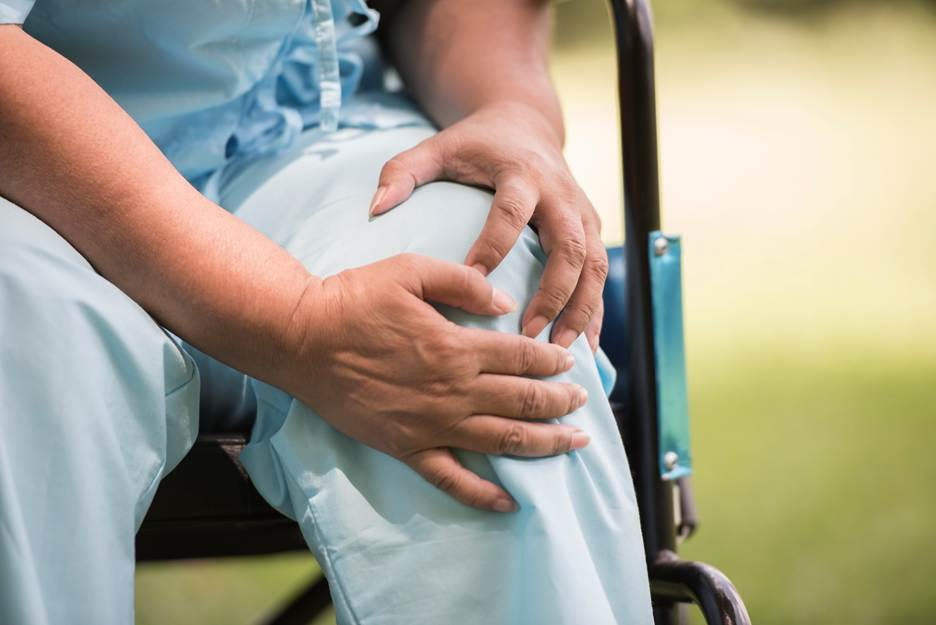
Recent studies show that soft tissue pain after total knee or hip replacement is more common than most patients realize. While many symptoms are mild, a significant number of people experience ongoing discomfort that affects their quality of life.
What the Research Shows
After total knee replacement (TKA):
• 12 to 31 percent of patients report moderate to severe pain at one year
• Up to 53 percent report any persistent pain
• 94 percent experience nuisance symptoms such as stiffness, swelling, or localized discomfort
After total hip replacement (THA):
• 13 to 14 percent report moderate to severe pain at one year
• Up to 38 percent report any persistent pain
• 88 percent experience nuisance symptoms
These symptoms may not always interfere with daily function, but they can be frustrating, especially when expectations are high. Some patients also develop nerve-related pain or entrapments after surgery, which can be difficult to identify and treat through conventional means.
You Still Have Options
At EastWest, we believe pain management should be proactive and personalized. That is why we offer a range of integrative therapies and modalities designed to support joint health and reduce pain before surgery becomes necessary. These include:
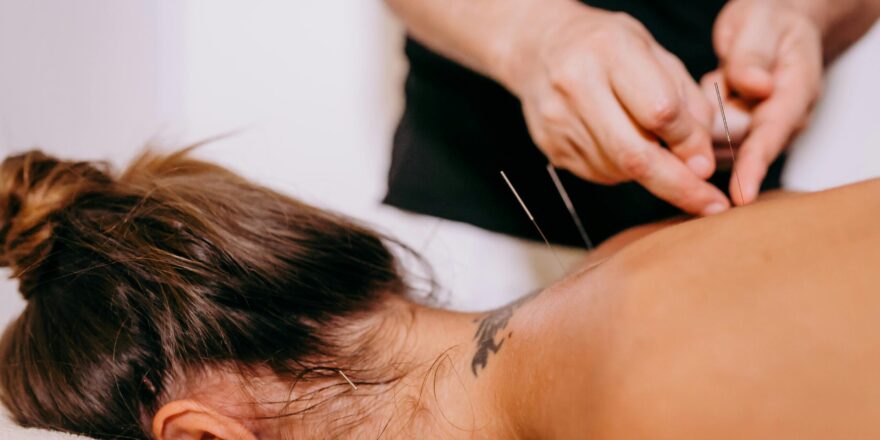
• Acupuncture, which helps regulate pain signals, improve circulation, and support nerve recovery
• Prolotherapy, which uses targeted injections to stimulate tissue repair
• Platelet-Rich Plasma (PRP), which concentrates your body’s own healing factors to reduce inflammation and promote regeneration
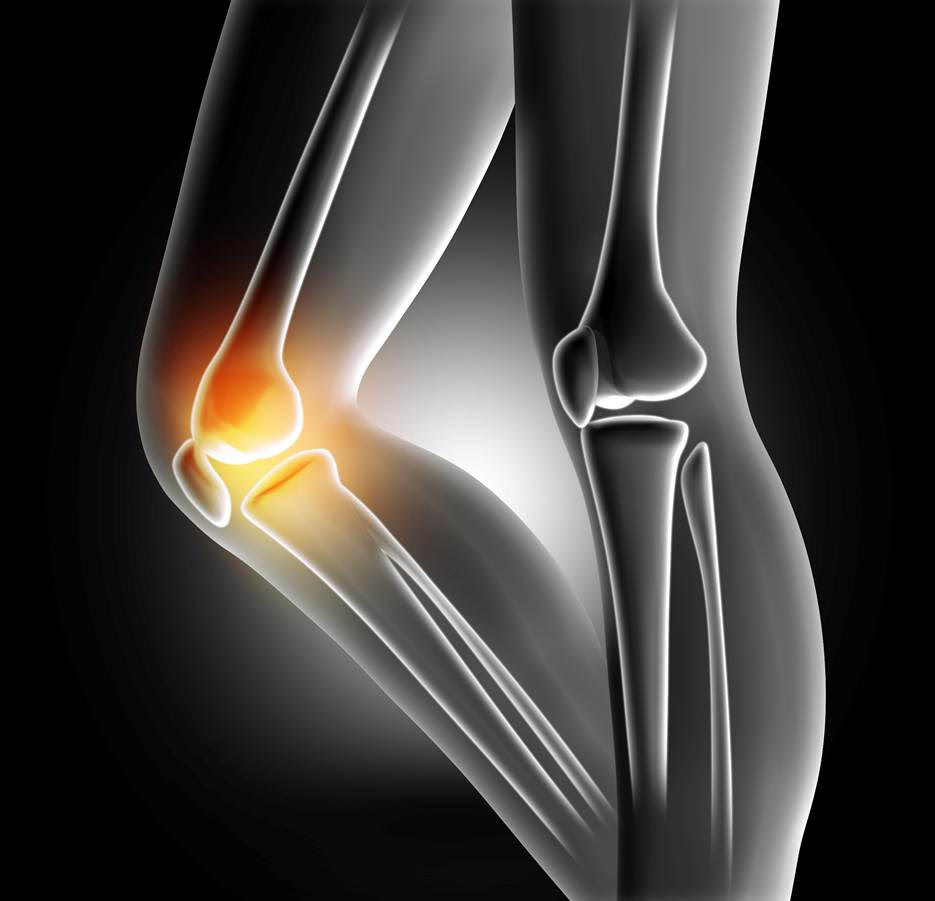
• Viscosupplementation, which injects hyaluronic acid to lubricate joints and reduce friction, especially useful for knee osteoarthritis
Of course, PRP, prolotherapy, and viscosupplementation cannot be performed once a joint has been replaced. However, dextrose prolotherapy can be used for soft tissue pain near a replaced joint.
If You Have Already Had Surgery
Persistent pain after joint replacement does not mean you have failed or that you are out of options. We regularly work with patients who experience nerve entrapments, scar tissue sensitivity, or post-surgical inflammation. These conditions can be addressed through acupuncture and other modalities that support healing and reduce discomfort.
Our goal is to meet you where you are, whether you are trying to avoid surgery or recover more fully after it.
If you are living with osteoarthritis or post-surgical pain, we are here to help. Schedule a consultation to explore your options and create a care plan that supports your long-term comfort and mobility.
Let’s rephrase this statement but the rest looks good and ready for publication once we have a couple images to go with!
Of course, PRP, prolotherapy, and viscosupplementation cannot be performed once a joint has been replaced. However, dextrose prolotherapy can be used for soft tissue pain near a replaced joint.